Engineering Materials for Demanding Automotive Applications
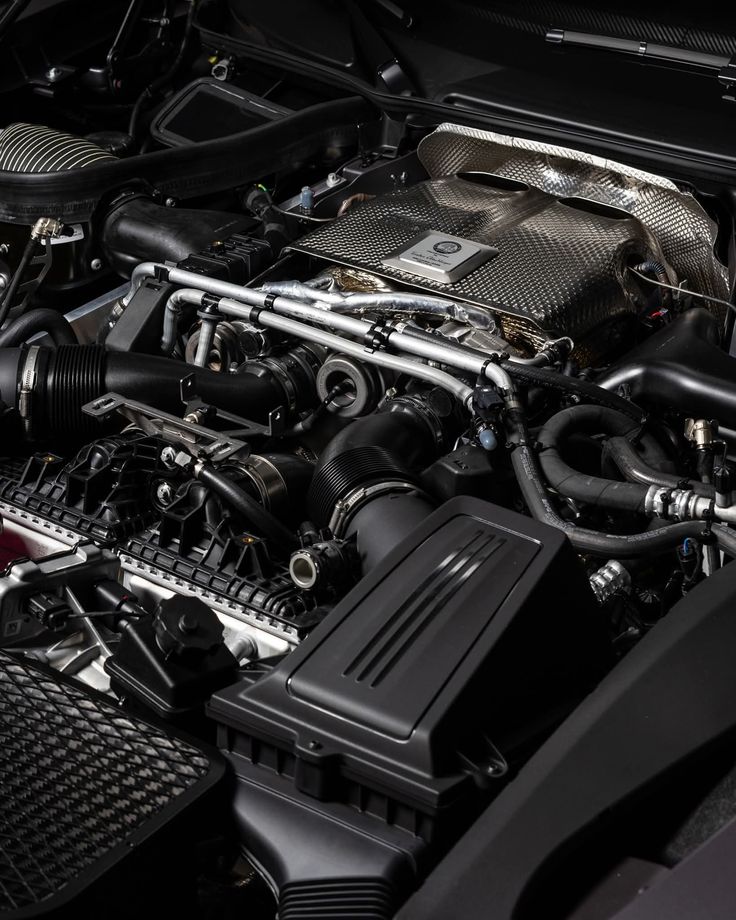
Automotive components may operate under demanding combinations of mechanical load, heat, vibration, moisture, chemicals, dimensional requirements, and long service conditions.
JINN HUNG provides PA-based engineering compounds that may be evaluated for selected automotive components according to specific customer requirements and validation procedures.
Typical Material Requirements
Depending on component location and function:
- Mechanical strength
- Rigidity
- Impact resistance
- Heat resistance
- Dimensional stability
- Vibration resistance
- Wear resistance
- Environmental resistance
- Processing consistency
Material Directions
Potential material directions may include:
- PA6 compounds
- PA66 compounds
- Glass fiber reinforced PA compounds
- Impact-modified compounds
- Customized formulations based on defined performance targets
Typical Components / Examples
Potential components may include selected:
- Brackets
- Guides
- Housings
- Covers
- Supports
- Mechanical connectors
- Transmission-related plastic components
- Under-hood or structural components where applicable
These examples are for general reference only. Material suitability must be evaluated according to the specific component specification and validation requirements.
Material Selection Considerations
Automotive material evaluation should consider:
- Component location
- Continuous and peak temperatures
- Static and dynamic loads
- Vibration
- Moisture
- Oils, fuels, coolants, or other chemical exposure where applicable
- Dimensional tolerances
- Required test standards
- OEM or Tier customer specifications
- Processing and assembly conditions
Use in an automotive application does not by itself imply compliance with any specific OEM specification, automotive standard, or approval requirement.
Discuss Your Application
Provide your component requirements, target specifications, test standards, and operating conditions. We can work with you to evaluate a suitable material direction.
Important Note
The information presented on this website is for general reference only and does not constitute a product specification, warranty, certification, regulatory approval, or guarantee of fitness for a particular application.
Actual material properties and product performance may vary depending on formulation, processing conditions, specimen preparation, conditioning, test method, product design, assembly conditions, and end-use environment.
Customers are responsible for evaluating and validating the selected material in their actual product and application conditions before commercial use.