Capabilities

From Material Development to Consistent Production

Combining material expertise, manufacturing capability, process control, and quality verification to support real-world applications.

01

Material Development

Developing Materials Around Real Requirements

We begin by understanding the application, processing conditions, target properties, and technical requirements.

Based on technical feasibility, material formulations may be adjusted to achieve an appropriate balance of mechanical performance, processability, dimensional stability, appearance, and cost.

02

Compounding

Controlled Compounding for Engineering Materials

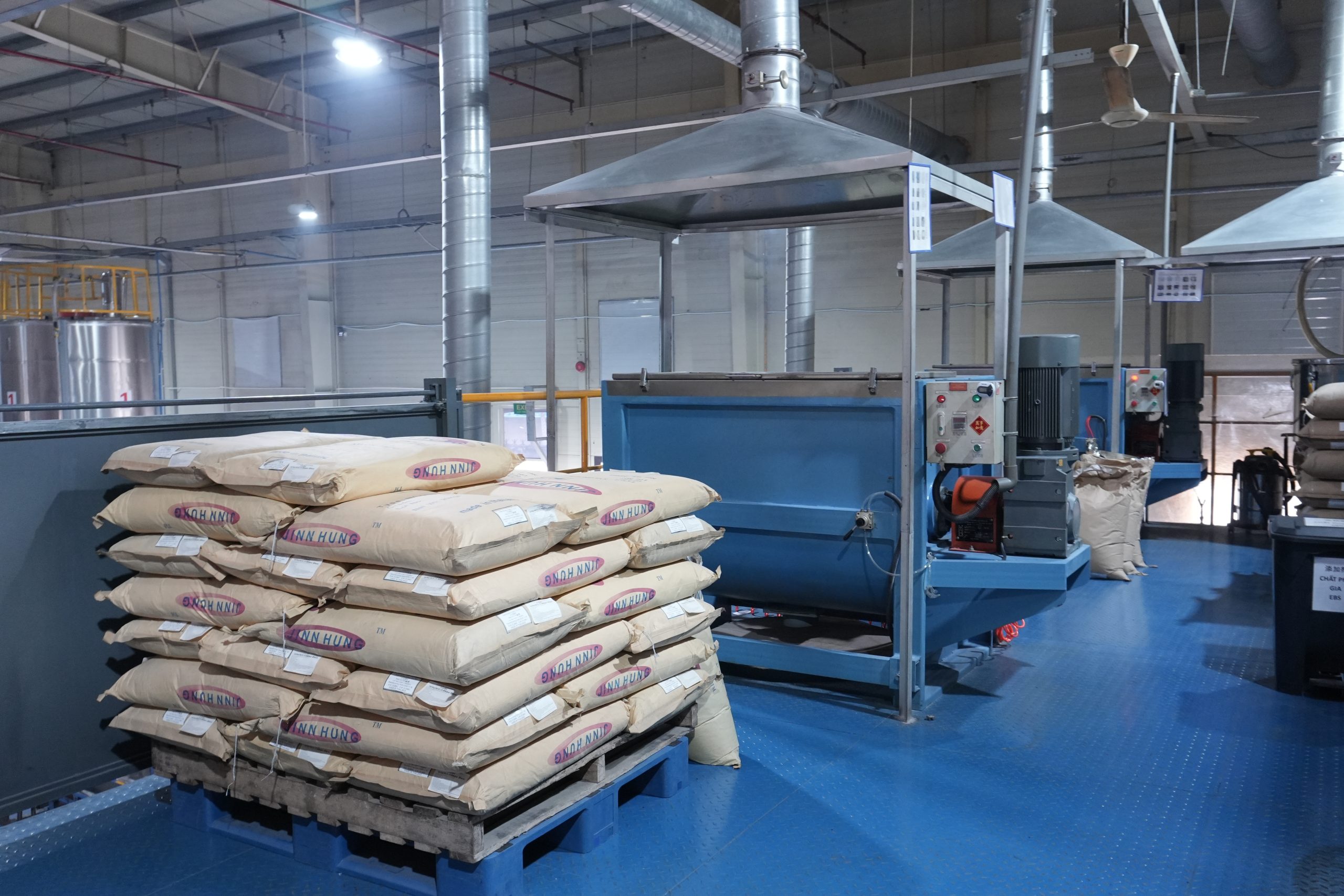
Our compounding process is designed to support PA6 and PA66-based engineering materials, including reinforced and impact-modified formulations.

Processing parameters are managed according to material characteristics and production requirements to support stable and repeatable manufacturing.

03

Process Control

Consistency Starts with the Process

Material performance depends not only on formulation, but also on how consistently the manufacturing process is controlled.

We focus on key production conditions such as:

  • Raw material preparation
  • Feeding
  • Processing temperature
  • Screw speed
  • Process stability
  • Cooling
  • Pelletizing
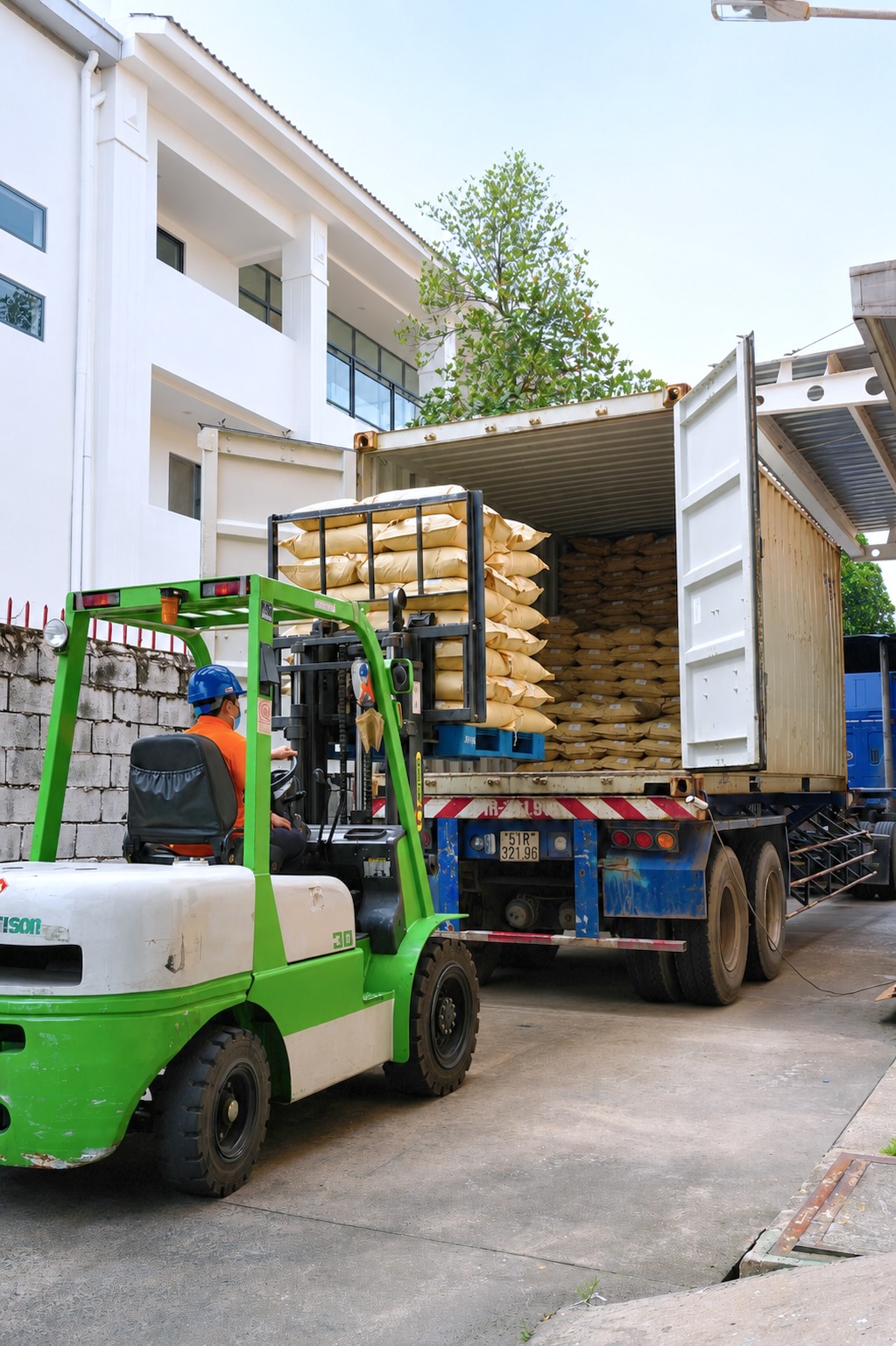
  • Packaging

Relevant production conditions are recorded and managed according to internal control requirements.

04

Quality Testing

Verification Based on Defined Requirements

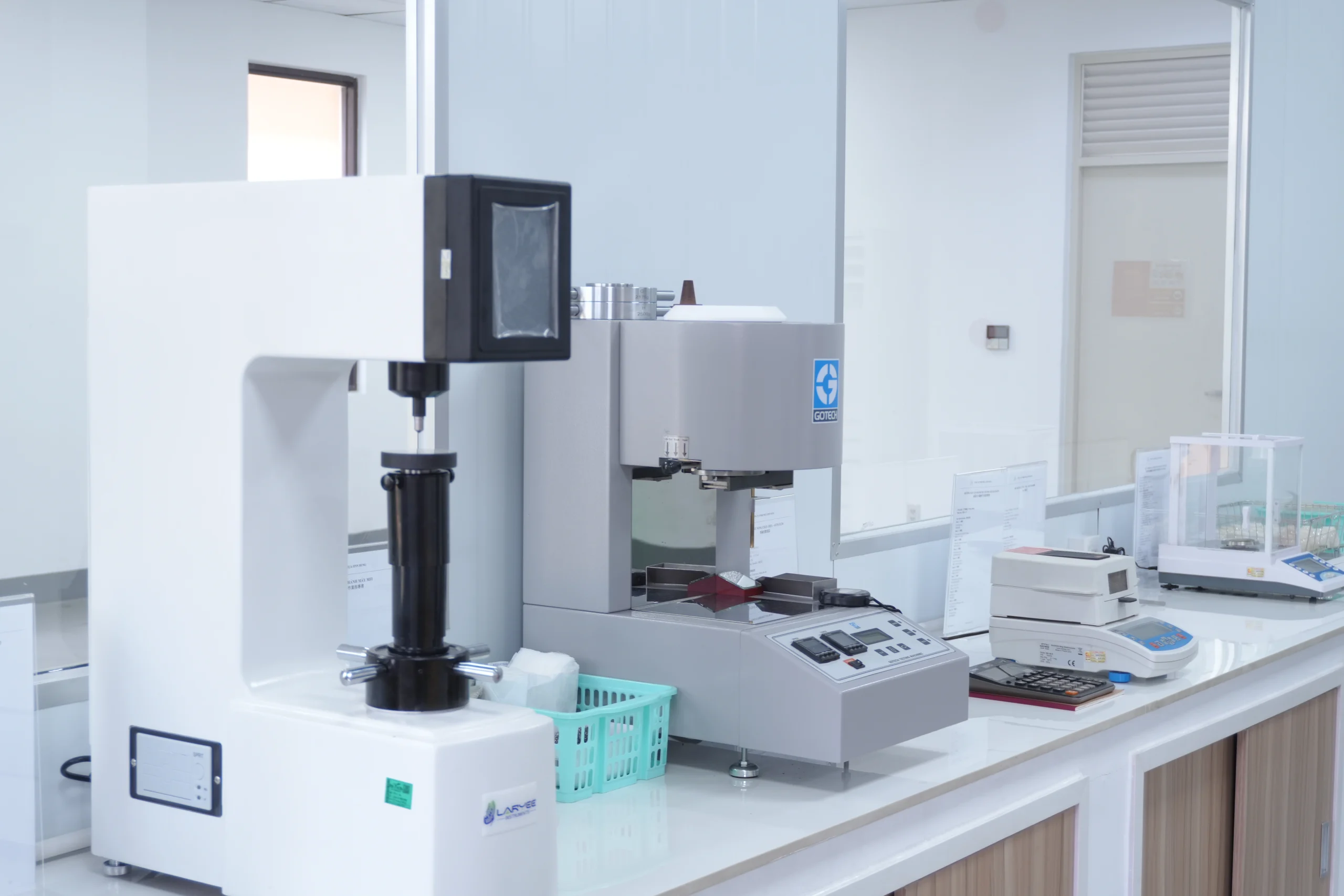
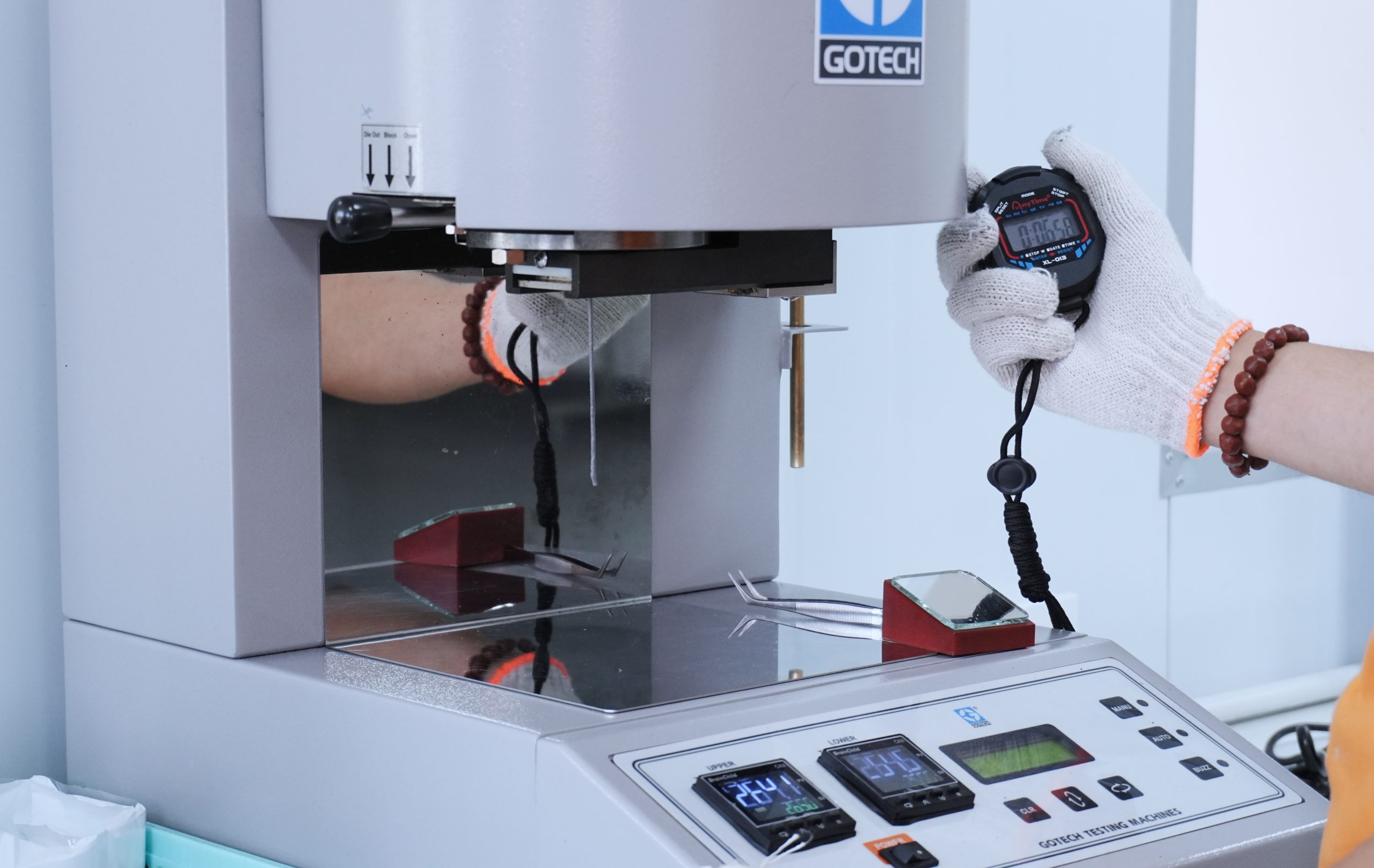
Quality testing is performed according to applicable product specifications, agreed test methods, and customer requirements where relevant.

Depending on the material and specification, evaluation may include:

  • Density
  • Moisture
  • Ash content
  • Melt flow
  • Tensile properties
  • Flexural properties
  • Impact performance
  • Appearance and color
  • Other agreed testing requirements

Test results apply to the specific material, sample preparation, conditioning, and test conditions used.

05

Customized Development

Different Applications Need Different Material Balances

Standard grades do not solve every application requirement.

Based on technical feasibility and agreed development targets, we can work with customers to evaluate adjustments related to:

  • Strength
  • Stiffness
  • Impact resistance
  • Glass fiber reinforcement
  • Dimensional stability
  • Processability
  • Appearance
  • Color
  • Application-specific requirements

Final material approval should be based on agreed specifications and customer validation under actual application conditions.

06

Traceability

Supporting Consistency Through Traceable Records

Traceability is an important part of material and production control.

Relevant production and quality records are maintained according to internal procedures to support batch identification, production review, quality verification, and investigation when required.

07

Application Support

Working From Material to Application

Material selection should consider more than a single property value.

When evaluating a material direction, relevant factors may include:

  • Product design
  • Wall thickness
  • Mechanical load
  • Temperature
  • Impact conditions
  • Moisture
  • Chemical exposure
  • Processing conditions
  • Assembly requirements
  • Applicable customer specifications

Our role is to support customers in evaluating an appropriate material direction based on the available technical information and actual application requirements.

Discuss Your Material Requirements

Let's Develop the
Right Material.

Tell us about your material, product, processing conditions, and performance targets. We can work together to evaluate the appropriate next step.
CONTACT US

Important Note

The information presented on this website is for general reference only and does not constitute a product specification, warranty, certification, regulatory approval, or guarantee of fitness for a particular application.

Actual material performance may vary depending on formulation, processing conditions, sample preparation, conditioning, test method, product design, assembly conditions, and end-use environment.

Customers should evaluate and validate the selected material under actual application conditions before commercial use.